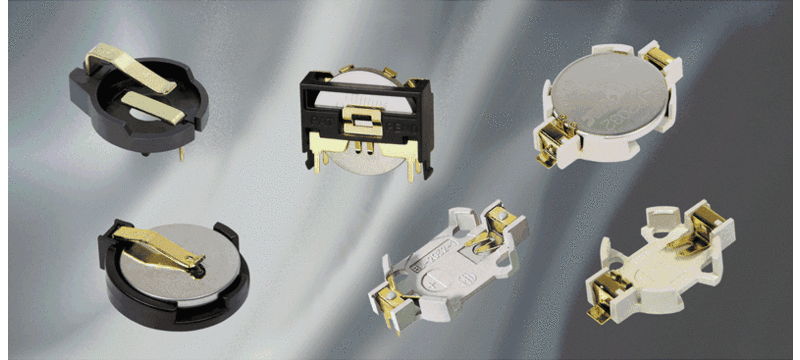
Tamuz Electronics follows the Solid-State Batteries Technology
Tamuz Electronics provides unlimited flexibility for your solid-state battery.

You require – We build it!
Solid-state batteries represent a significant advancement in energy storage technology, offering improved safety, performance, and longevity compared to traditional lithium-ion batteries.
Design:
The design of solid-state batteries is fundamentally different from that of conventional lithium-ion batteries. While lithium-ion batteries use liquid electrolytes to facilitate the movement of ions between the anode and cathode, solid-state batteries employ solid electrolytes. This change in the electrolyte material requires a rethinking of battery architecture to optimize performance.
The architecture of solid-state batteries includes a cathode, anode, and solid electrolyte separator. The solid electrolyte serves as both the medium for ion transport and the physical separator between the electrodes, eliminating the need for liquid components. This architecture enables a more compact and potentially lighter design, contributing to the overall efficiency and energy density of the battery.
Application Areas:
Solid-state batteries have the potential to revolutionize various industries due to their superior characteristics. Some key application areas include:
Electric Vehicles (EVs)
The automotive industry is one of the most promising sectors for solid-state batteries. Their higher energy density and enhanced safety features make them ideal for electric vehicles, addressing current limitations related to range and charging times. Major automakers are investing heavily in solid-state battery technology to develop safer, more efficient EVs.
Solid-state batteries exhibit better thermal and electrochemical stability, contributing to a longer lifespan. They are less prone to degradation over time, maintaining their performance levels for more extended periods. This longevity makes them cost-effective in the long run, despite the potentially higher initial investment.
Drones and aircraft
Higher energy density means extended flight ranges and longer operational times, allowing for more efficient missions and improved endurance. For drones, this could mean longer surveillance or delivery missions, while for aircraft, it could enhance the range and reduce the frequency of refueling stops.
Solid electrolytes, which significantly reduce the risk of leakage, combustion, and battery fires, are particularly crucial for drones and aircraft, where safety is paramount. The mitigation of risks associated with battery fires not only enhances the safety of the aerial vehicles but also safeguards passengers, cargo, and sensitive equipment.
The superior ionic conductivity of solid electrolytes enables faster charging times. Solid-state batteries can be charged more quickly without compromising their capacity or safety. This feature is particularly beneficial for defense goals, where reduced charging times can significantly increase the tactical parameters of drones and aircraft.
Medical Devices
Medical devices, such as implantable electronics, require reliable and safe power sources. Solid-state batteries’ stable and non-flammable nature makes them ideal for medical applications where safety is paramount. Moreover, their long lifespan and ability to function at varied temperatures enhance the reliability of medical devices.
Consumer Electronics
From smartphones to laptops, consumer electronics demand high-performance batteries that can support longer usage times and faster charging. Solid-state batteries offer these benefits, making them suitable for next-generation electronic devices. Their compact design also allows for thinner and lighter products, enhancing portability and user experience.
Advantages of Solid-State Batteries
Solid-state batteries offer several advantages over traditional lithium-ion batteries, contributing to their growing popularity and research investment.
- Safety
- Higher Energy Density
- Longevity and Stability
- Fast Charging
- Higher Discharge Current
- Wider Temperature Range
In conclusion, solid-state batteries tend to have a lower environmental impact compared to traditional lithium-ion batteries, as they are less prone to leakage and contamination. Additionally, their longer lifespan and stability mean fewer batteries need to be produced and disposed of, reducing waste and resource consumption. The shift towards solid-state batteries aligns with the growing emphasis on sustainability and environmental responsibility in all of industries.
CONTACT US
Let’s keep the energy in high voltage. Contact us and we’ll make sure to answer you promptly.
-
3C HaYozma St., Industrial Zone, Kfar Saba
4442216 Israel - info@tamuz-ele.com
- +972-9-7633000